
What Your Signature Reveals About You: The Psychology Behind the Pen Stroke

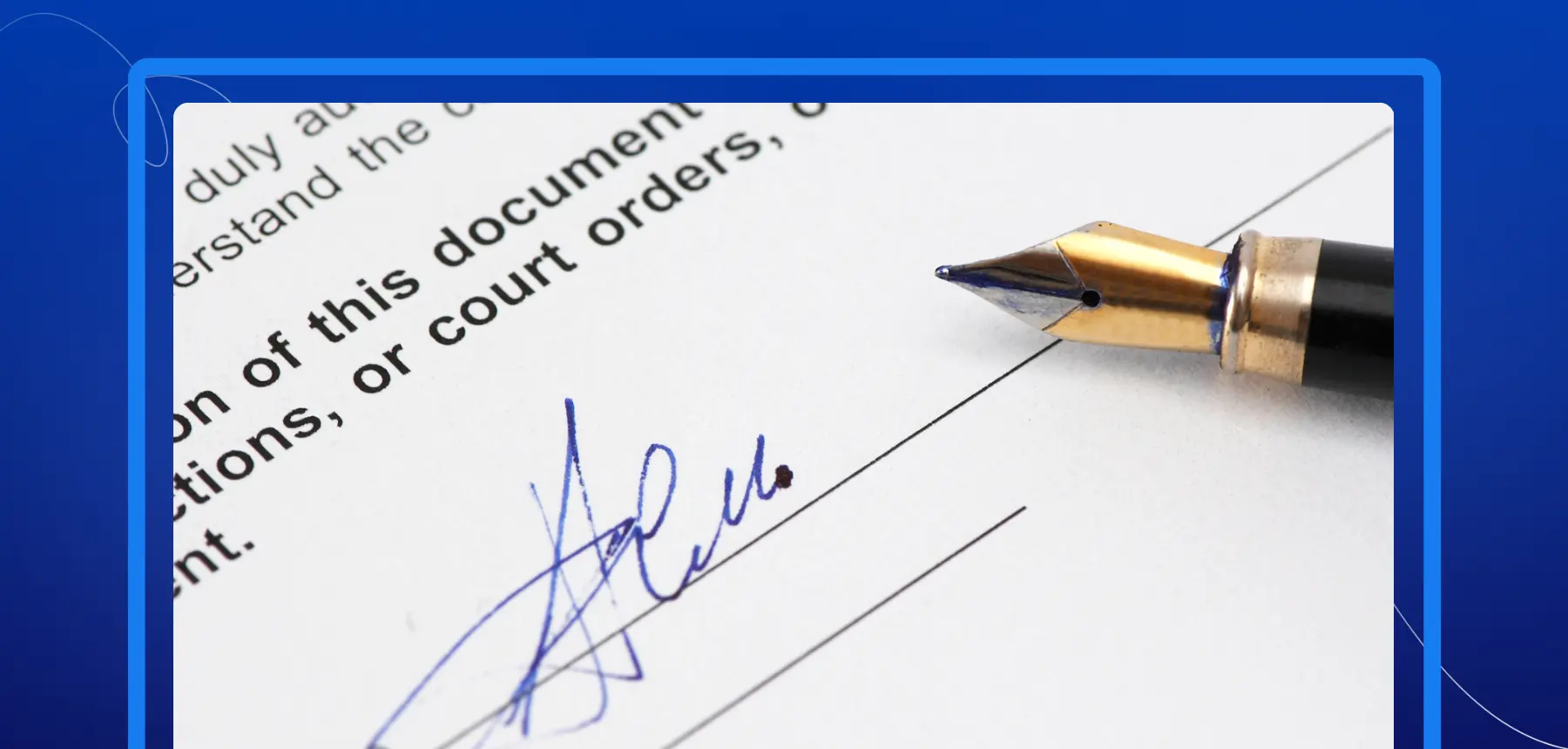
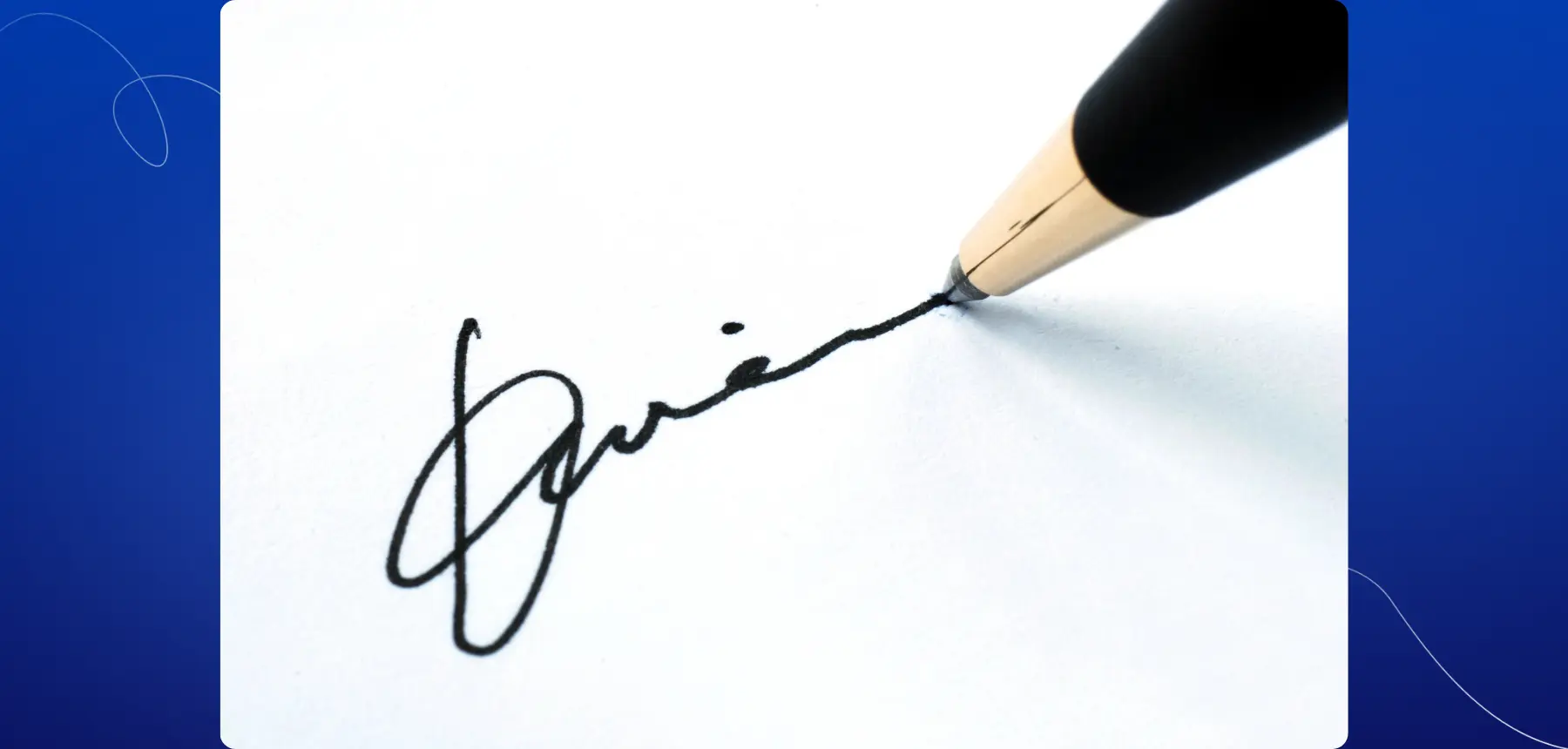
Your signature is more than just a scribble at the bottom of a page. It’s a personal mark that represents your identity, your intent, and your personality. Whether it’s the flourish under your name, the way you cross your “T,” or the direction of your slant, every detail can reveal something about you.
In the digital age, signatures have evolved from ink and paper to pixels and screens. Yet even electronic signatures still carry the same meaning: they symbolize consent, trust, and personal connection. In this article, we’ll explore what your signature says about you, how experts interpret signature styles, and how digital signatures with Blueink preserve that personal touch while providing modern customization and security.
The Evolution of the Signature
From Ancient Seals to Modern Signatures
Long before pens existed, people marked documents with clay seals, stamps, or thumbprints. These early marks acted as proof of authenticity. Over time, handwritten signatures became the global standard for validating documents, contracts, and legal agreements.
Today, as the world transitions to paperless solutions, digital signatures have taken center stage. With platforms like Blueink, individuals and organizations can sign documents securely while keeping that sense of personal ownership intact.
Why Signatures Matter
A signature is more than just a requirement. It’s a sign of commitment. It confirms identity, indicates consent, and communicates personality. Whether handwritten or digital, it carries weight in every transaction, from a simple acknowledgment form to a multi-million-dollar agreement.
The Psychology of a Signature
Experts in graphology (the study of handwriting) believe that a person’s signature reflects aspects of their personality, confidence, and communication style. Here are some key characteristics and what they might say about you.
1. Size of the Signature
- Large Signatures People who write their names in large letters tend to be outgoing, confident, and expressive. They like to be seen and heard. CEOs, artists, and public figures often have larger signatures to convey authority and visibility.
- Small Signatures Those with smaller signatures are usually more reserved, focused, and detail-oriented. They value privacy and precision over attention.
- Medium-Sized Signatures Balanced individuals often fall in this category; confident but not overbearing, careful yet approachable.
2. Legibility
- Clear and Readable If your signature is easy to read, it reflects openness, honesty, and strong communication skills. You likely value transparency in relationships and work.
- Illegible or Scribbled A messy or abstract signature can show creativity and independence, but it might also suggest a desire for privacy or control over how much others know about you.
3. Slant and Angle
- Right Slant Indicates friendliness, optimism, and a people-oriented mindset. You enjoy collaboration and new experiences.
- Left Slant Suggests introspection and caution. You might prefer solitude or structured environments.
- Vertical (No Slant) Represents balance and rationality. You’re logical and steady, not easily swayed by emotions.
4. Pressure and Stroke
- Heavy Pressure Indicates determination, intensity, and strong emotional energy. You push hard to achieve goals and take commitments seriously.
- Light Pressure Suggests flexibility, sensitivity, and adaptability. You may prefer harmony over confrontation.
5. Embellishments and Flourishes
- Underlines A person who underlines their name values self-assurance and independence. It’s a way of saying, “I stand by my name.”
- Loops and Curves Rounded loops show creativity and openness to ideas, while sharp or angular strokes reflect precision and assertiveness.
- No Extras A minimalist signature may belong to someone practical and straightforward.
6. First vs. Last Name Emphasis
- Emphasized First Name Indicates confidence in personal identity and individuality.
- Emphasized Last Name Suggests a strong sense of family, heritage, or professional pride.
- Equal Balance Signifies harmony between personal and professional life.
What Digital Signatures Say About You
Even in the digital era, the way you sign electronically can reflect your personality and professionalism. When you sign digitally with Blueink, you have the ability to:
- Customize your signature style — whether it’s drawn by hand, typed in your chosen font, or uploaded as an image.
- Add your company logo to personalize documents and strengthen brand identity.
- Redirect signers to your own web page after completion, ensuring a seamless branded experience.
- Customize signing emails with your tone and color preferences, showing attention to detail and consistency.
These subtle personalization features give your eSignature the same personal character that handwritten signatures once carried, but with added convenience, compliance, and professionalism.
How People Perceive Your Signature

When using digital platforms, consistent and professional branding in your signature (name, logo, color) enhances your reputation and builds trust with signers.
The Role of Culture in Signatures
Cultural backgrounds also influence how people sign:
- Western countries tend to value individuality and flair, leading to more expressive signatures.
- Asian cultures often emphasize harmony and discipline, reflected in structured and legible writing.
- Arabic and South Asian styles showcase intricate loops and calligraphy, symbolizing elegance and artistry.
Digital platforms like Blueink adapt to these cultural nuances by allowing users to design and upload their preferred signature style, maintaining authenticity while meeting global compliance standards.
Why a Signature Still Matters in the Digital Era
Some might think digital documents make signatures less personal, but the opposite is true. Electronic signatures, when implemented thoughtfully, make transactions faster and more secure without losing personal identity.
With Blueink:
- Each signature is tied to a Certificate of Evidence, documenting who signed, when, and from where.
- Every step of the process is recorded in an event log, ensuring accountability and compliance.
- Multi-layer authentication, including SMS or ID verification, confirms signer identity.
By combining trust, identity, and convenience, Blueink helps preserve the meaning of a signature in today’s paperless world.
Tips to Create a Signature That Represents You
- Keep it Consistent. Use the same signature across all documents to maintain recognition.
- Balance Simplicity and Personality. Your signature should be easy to reproduce but still carry your style.
- Add Professional Elements. In digital settings, include your logo or organization name to make it official.
- Avoid Overcomplicating. A signature that’s too elaborate can be hard to verify or replicate digitally.
- Test Digital Versions. Try signing with different fonts or stylus tools in Blueink until you find one that feels right.
- Consider Readability. Even if stylized, it should be identifiable as your name.
- Own It. Your signature, whether physical or digital, represents your integrity. Sign it with confidence.
Connecting Personality with Digital Trust
When you think about it, signing a document, whether with ink or digitally, is an act of trust. Your signature tells people: “I agree. I stand by this.”
Blueink extends that trust into the digital world through:
- Secure encryption
- Authentication options
- Audit trails
- Personalized signing environments
That means every signature still reflects you: your choices, your values, and your professionalism, even when signed from a device.
How Blueink Keeps the Human Touch in Digital Signing
Unlike traditional systems that strip away personalization, Blueink ensures that your digital signing process still feels authentic and branded.
Key features include:
- Custom Email Templates: Send branded invites to signers using your voice and design.
- Logo Integration: Add your company logo to every signing session for consistent identity.
- Redirect Links: Guide signers to your website or thank-you page after signing is completed.
- Flexible Signature Styles: Draw, type, or upload your signature for full control over how it looks.
By giving you the freedom to design your signing flow, Blueink bridges the gap between personality and professionalism.
Your Signature as a Mirror of Your Personality
Your signature is a mirror of your identity. It communicates who you are: confident, reserved, creative, or precise, in one fluid motion.
And while technology continues to redefine how we sign, the meaning behind it remains timeless: a signature, no matter how it’s made, is an extension of you.
With Blueink, you can carry that personality into the digital world. Every signature you send reflects your professionalism, trust, and individuality securely and beautifully.
Frequently Asked Questions (FAQs)
1. What does my digital signature say about me?
Your digital signature reflects your professionalism and attention to detail. Customizing your signing emails, logo, and redirect pages in Blueink adds a personal and consistent brand touch.
2. Are electronic signatures legally binding?
Yes. Electronic signatures made through Blueink comply with global standards like ESIGN and UETA, making them legally binding and enforceable.
3. Can I personalize my eSignature with Blueink?
Absolutely. You can upload your own handwritten signature, select a preferred font, and even include your company logo for a fully branded experience.
4. What’s the difference between a handwritten and a digital signature?
A handwritten signature uses ink on paper, while a digital signature uses encryption and authentication. Both signify agreement, but digital signatures add layers of security and traceability.
5. Can I redirect signers to my own page after signing?
Yes. Blueink allows you to set a custom redirect URL that takes signers to your desired web page once the signing process is completed.
6. Is it safe to use electronic signatures?
Yes. Blueink ensures every signature is backed by encryption, audit trails, and identity verification options to protect both signer and sender.
7. How can I make my digital signature stand out?
Keep it professional but personal. Use Blueink’s customization tools to include your logo, select a signature style, and use branded email templates.
Disclaimer
Blueink is not a law firm and does not provide legal advice. This page is for informational purposes only and should not be considered a substitute for professional legal counsel. If you have questions about the validity or enforceability of eSignatures or digital signatures, we recommend consulting with a licensed attorney. Use of Blueink’s services is subject to our Terms of Use and Privacy Policy.

Recent post
October 12, 2026
October 6, 2026
October 1, 2026
September 22, 2026
September 15, 2026