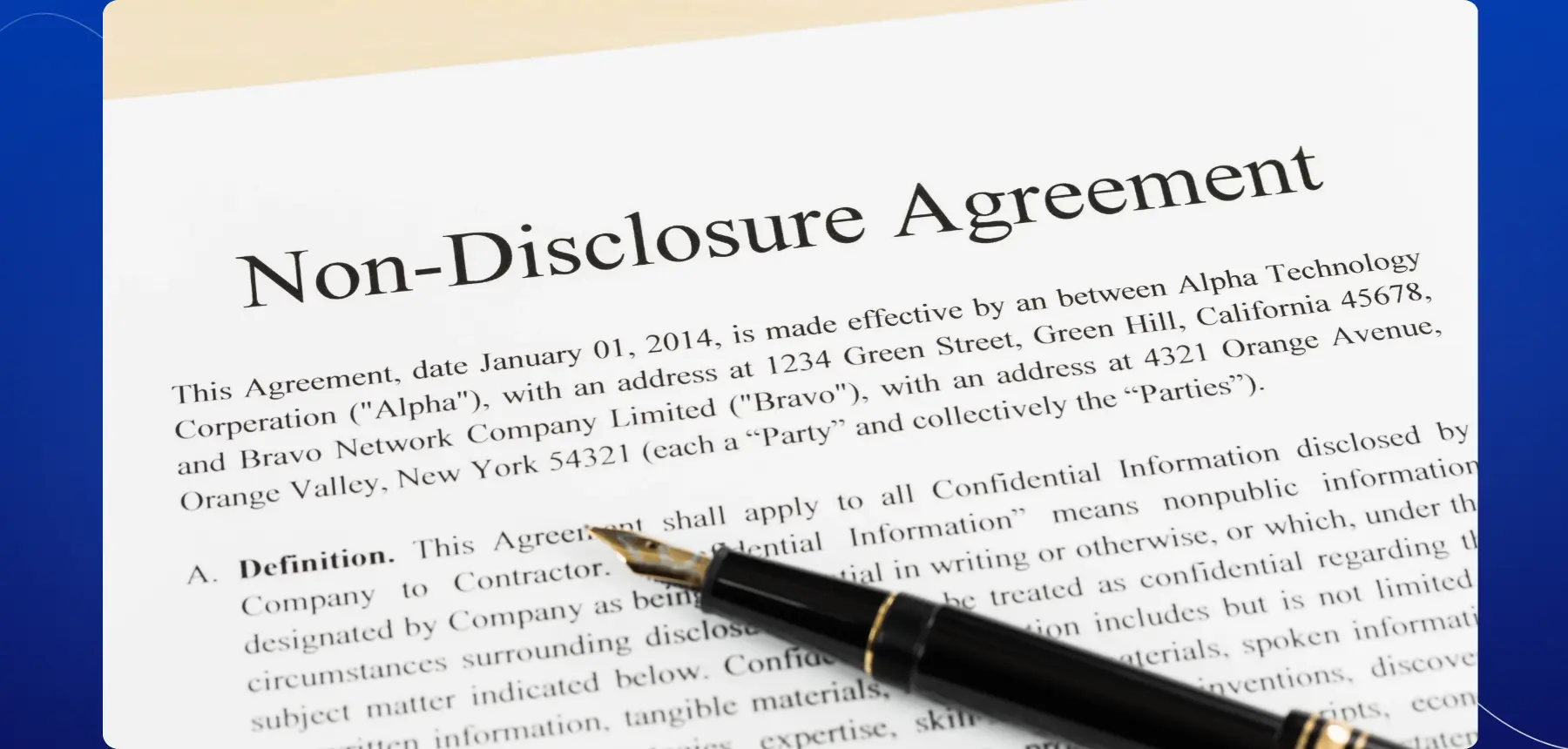

A Guide for Writing a Non-Disclosure Agreement

In some businesses, information can be as or more valuable than a company’s physical assets. Strategic plans, customer data, pricing, processes, and in some cases regulatory documentation, can be the foundation for an organization’s competitive edge and ultimate success. Unfortunately, too often a company will disclose the proprietary information listed above or other confidential information to a prospective purchaser, investor, or other party, yet fail to protect the company from the recipient’s unauthorized use or disclosure.
A Non-Disclosure Agreement, commonly referred to as an NDA, provides a structured way to protect sensitive information while allowing discussions, negotiations, and due diligence to move forward. However, drafting an effective NDA requires more than filling in a template. The scope of confidentiality, the parties involved, the duration of protection, and the legal context all influence whether an agreement will be enforceable.
This article provides a guide to write a Non-Disclosure Agreement that incorporates the basic elements necessary to render the NDA enforceable. By understanding the essential components of an NDA and the common pitfalls to avoid, organizations can better protect their information when a company elects to disclose proprietary information.
Understanding the Purpose of a Non-Disclosure Agreement
A non-disclosure agreement is a legally binding contract designed to restrict the disclosure and unauthorized use of confidential information. Its primary function is to establish clear commitments between parties before sensitive information is shared.
NDAs are widely used across industries and business scenarios, including employment relationships, vendor engagements, investor discussions, and strategic partnerships. In each case, the agreement serves as a preventive measure, outlining what information is protected and how it may or may not be used. In the absence of a legally binding pledge by the recipient to limit the use of the disclosed information to the agreed upon purpose, a company could be without legal recourse when the recipient uses and derives the benefit of company information that took the company years and great expense to generate.
Furthermore, a non-disclosure agreement can also signal that confidentiality is taken seriously and that the information is considered valuable.
Legal Confidentiality and Business Risk
When drafting an NDA a Company must consider not only the issue of confidentiality of the disclosed materials but also the issue of enforceability of the NDA. An NDA must provide that the nature and scope of the protection afforded to the sensitive information is within the reasonable parameters required under the law. Courts are more likely to uphold agreements that are specific, proportionate to, and aligned with legitimate business interests as opposed to merely intending to stifle competition.
Overly broad agreements that attempt to classify all information as confidential and include a duration that is unreasonable or for an indefinite period of time may be challenged and deemed unenforceable. Conversely, agreements that are too narrow may fail to protect critical information. Effective NDAs clearly identify what constitutes confidential information, the purpose of the disclosure, and the limitations imposed upon the recipient of the confidential information.
For businesses operating in regulated environments, confidentiality obligations may extend beyond contractual terms. Healthcare organizations, for example, often rely on HIPAA confidentiality agreement templates to address statutory requirements related to protected health information. In such cases, the NDA must include and comply with regulatory statutes and rules.
Defining Confidential Information Clearly
One of the most important sections of any non-disclosure agreement is the definition of the confidential information. Confidential information may include by way of example written documents, electronic records, verbal disclosures, visual materials, and derivative works created from proprietary data. A well-drafted confidentiality clause specifies both the form and content of protected information.
In an effort to be fully inclusive, the definition should avoid sweeping generalizations. Courts often reject vague language, as it is considered to impose restrictions that are difficult to interpret, comply with or enforce.
Obligations of the Receiving Party
An NDA must clearly outline the obligations imposed on the receiving party. These obligations typically include restrictions on disclosure, limitations on use, and requirements to protect confidential information with reasonable care.
The agreement should specify that confidential information may only be used for the stated purpose of the relationship, such as evaluating a business opportunity or performing job-related duties. It should also provide that access is limited to individuals who have a legitimate need to know the information.
In an employment agreement, an employee’s confidentiality obligations can often extend beyond the term of employment.
Duration and Survival of Confidentiality Obligations
The duration of confidentiality obligations is a frequent source of confusion and controversy.
Operational data may warrant protection for a limited period, while trade secrets may require extended confidentiality. The key is aligning the duration with the nature of the information and applicable legal standards.
A survival clause, which ensures that confidentiality obligations continue after the termination of an agreement, relationship, or the failure of reaching an agreement, is an important consideration in many business transactions.
Exclusions From Confidentiality
Most NDAs include exclusions to prevent unreasonable restrictions. Information that is publicly available, independently developed, or lawfully obtained from a third party is typically excluded from confidentiality obligations.
These exclusions protect the receiving party from liability for information that is not truly confidential and help ensure the agreement remains fair and enforceable.
Remedies and Enforcement Provisions
In order to protect confidential information, the NDA needs to provide for a remedy in the event of a breach. The remedies may include injunctive relief, monetary damages, or other legal enforcement measures permitted by law.
While the inclusion of a remedies clause does not ensure enforcement, it sends a signal as to the possible ramifications in the event of breach, and may serve as a valuable enforcement tool.
In addition, a confidentiality agreement that is intended exclusively for a particular state should take into consideration any state-specific statutes or case law relating to non-disclosure provisions or non-compete clauses.
Choosing the Right NDA Structure
NDAs are not one-size-fits-all. A unilateral NDA applies when there is only one disclosing party and the other party is bound by the non-disclosure provisions. A mutual confidentiality non-disclosure agreement is utilized when both parties share sensitive data.
Drafting and Executing NDAs in Digital Workflows
As document execution increasingly moves online, businesses must ensure that NDAs are executed securely and conform to the legal requirements. Electronic signatures allow organizations to finalize agreements efficiently while maintaining audit trails and compliance.
Using a reliable platform for document execution helps ensure that NDAs, confidentiality forms, and agreements are properly executed and stored. A secure digital workflow can reduce administrative challenges and preserve the legal integrity of the agreement.
Protect Your Confidentiality Through NDAs
Writing a Non-Disclosure Agreement requires careful consideration of the applicable legal, operational, and business factors. An effective NDA clearly defines confidential information, establishes reasonable obligations, and is consistent with applicable laws and industry standards.
Whether using an NDA template, drafting a mutual confidentiality agreement, or preparing an employee confidentiality agreement, organizations benefit from thoughtful drafting and secure execution.
To simplify your organization’s management of NDAs and other agreements, consider using a secure electronic document signing solution like Blueink. Schedule a demo to see how a secure digital workflow can support compliant and efficient document execution.
Disclaimer
Blueink is not a law firm and does not provide legal advice. This page is for informational purposes only and should not be considered a substitute for professional legal counsel. If you have questions about the validity or enforceability of eSignatures or digital signatures, we recommend consulting with a licensed attorney. Use of Blueink’s services is subject to our Terms of Use and Privacy Policy.


.png)
